ADHD assessment. Understanding the whole picture.
Explore NICE-linked ADHD guidance, a private adult pre-screener and practical DLA, PIP and EHCP support with Charlotte. Screening is not a diagnosis.
A thoughtful assessment starts with listening. Explore how a specialist assessment considers difficulties with attention, organisation, activity or impulse control in the context of your whole life.
NICE NG87 describes a specialist assessment that brings together clinical and developmental history, observer reports, the impact of difficulties across everyday settings and other possible explanations. Explore the guideline-linked assessment information and optional adult ASRS-v1.1 pre-screening below. Ask Willoway about the intended service, age eligibility, assessor and availability; this page does not confirm a diagnosis or a particular clinic pathway.
A conversation about your experiences
A proper ADHD assessment looks beyond a checklist. A suitably qualified specialist considers the pattern of difficulties over time, their impact in everyday life and relevant developmental and clinical history. For children and young people, this may include information from parents or carers and school; for adults, it may include accounts or records from someone who knew them earlier in life, where available and appropriate.
More than a questionnaire
Rating scales and questionnaires can help organise information, but they cannot confirm ADHD on their own. The specialist brings together the interview, history, observations and other relevant information, considering whether another explanation or a combination of factors may better account for what is happening.
The whole picture and next steps
Attention, mood, sleep, learning, development and wider circumstances can overlap. A careful assessment considers possible coexisting conditions and support needs as well as ADHD. The outcome should be explained clearly, with relevant findings and recommendations for next steps or signposting where appropriate. Contact Willoway to ask what the service can currently offer.
When to seek medical help
This page provides general information, not an assessment, diagnosis or individual medical advice. Willoway's ADHD service scope, age eligibility, clinicians and availability have not yet been confirmed; contact the clinic for current details. The adult questionnaire keeps answers on this page only; do not submit them, medical histories or sensitive details through the general enquiry form. For urgent mental health help in England, call NHS 111 and select the mental health option. Call 999 or go to A&E if someone’s life is at risk or you cannot keep yourself or someone else safe.
Your questions
What does the adult pre-screening result mean?
The six-question ASRS-v1.1 is an evidence-based adult screening aid. Four or more responses in its shaded ranges suggest a fuller clinical assessment may be helpful; this is not a diagnosis or treatment decision. A result below the threshold does not rule out ADHD. Discuss persistent difficulties with a GP or qualified specialist at any score. Answers are not saved or sent to Willoway.
Can a child use this questionnaire?
No. The ASRS-v1.1 screener on this page is for adults aged 18 and over. Children and young people need age-appropriate assessment through a GP or suitable specialist service, often with parent/carer and school information. The page’s NICE references describe the wider pathway, not a confirmed Willoway child service.
Do questionnaires diagnose ADHD?
No. Questionnaires or rating scales can contribute useful information, but a diagnosis should not be made from a scale alone. A specialist considers the broader clinical and developmental history and the effect of symptoms in everyday life.
What should I bring or prepare?
If you contact us, we can explain what information is relevant to the service and your circumstances. Previous reports, examples from daily life, and observations from people who know you may be helpful where available; a lack of old records does not itself establish or rule out ADHD.
Does an assessment mean I will receive a diagnosis or medication?
No. An assessment considers the evidence and may reach different conclusions, including that ADHD is not established or that further evaluation is appropriate. Diagnosis does not automatically mean medication; any treatment discussion depends on individual clinical need and what the clinic is able to provide.
Your next step
Please confirm the age range, assessing clinician, assessment format, report and follow-up arrangements directly with Willoway. Diagnosis, medication and GP shared-care acceptance are not guaranteed.
Ask about an assessmentFurther patient information
NICE guideline NG87: Attention deficit hyperactivity disorder—diagnosis and management, recommendations NHS: ADHD—diagnosisClinical experience. Personal understanding.
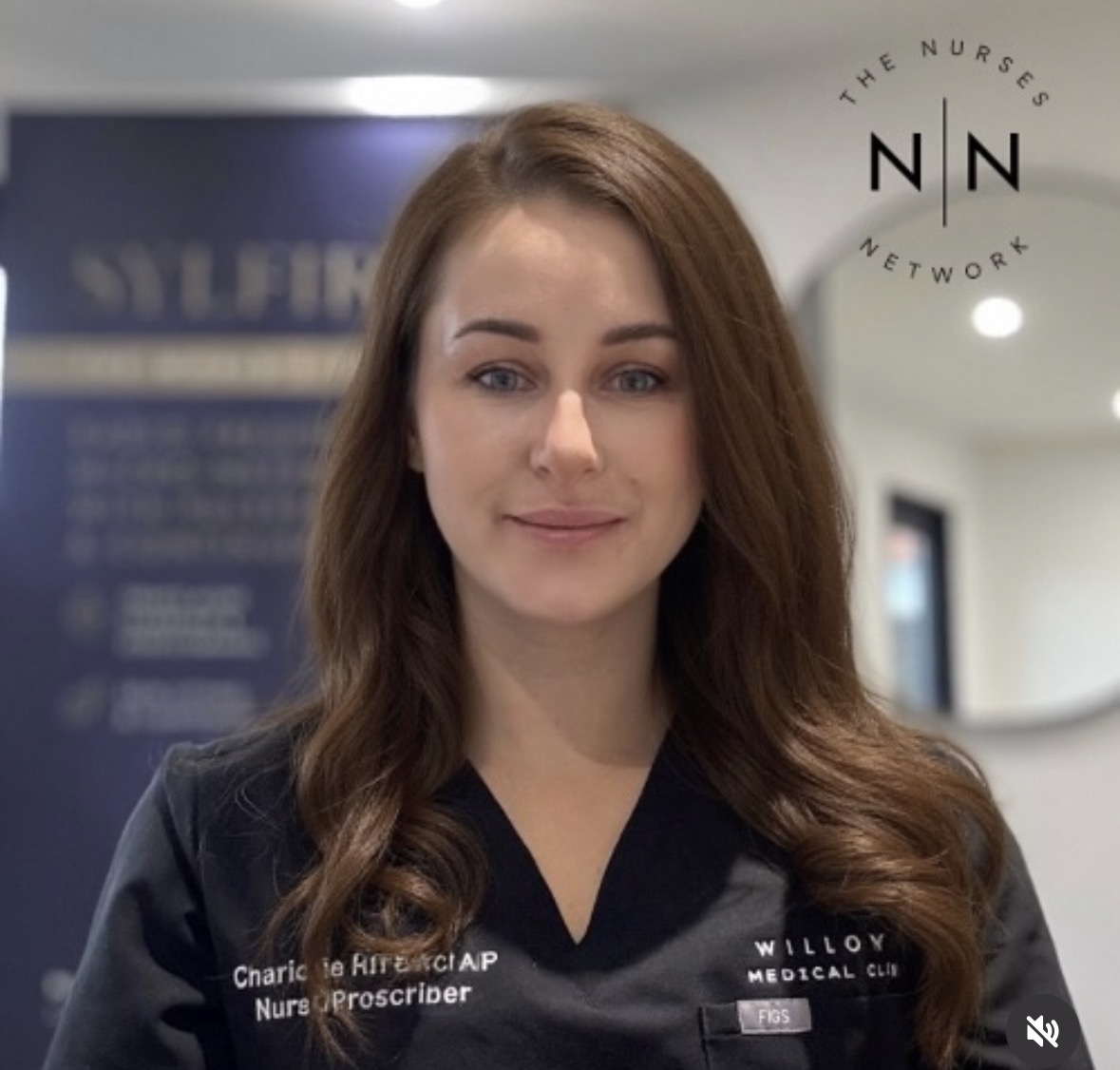
Charlotte trained in assessing children with Sheffield Children’s NHS Foundation Trust. Her nursing and clinical education background informs a thoughtful, evidence-led approach to understanding individual needs.
As a parent of neurodivergent children, I understand how much energy can go into navigating school, appointments, everyday routines and support systems. I know that families can feel overwhelmed or unheard. Every person and family is different; my aim is to listen without judgement and help you feel better informed about your next steps.
Charlotte · Willoway Medical Clinic
Lived experience informs our compassion; it does not replace individual clinical assessment. Training with an NHS organisation does not imply its endorsement of Willoway. Please confirm the assessing clinician, current service scope and age eligibility before booking. The questionnaire on this page remains for adults aged 18 and over only.
What a thorough assessment considers.
Understanding ADHD takes more than recognising a few familiar traits. NICE guideline NG87 describes a specialist assessment that considers your history, everyday functioning, health and individual support needs. The guide below summarises its care pathway; the full recommendations remain the authoritative source.
NICE NG87 refers to DSM-5 or ICD-11 diagnostic criteria. These are clinical frameworks, not an online pass/fail checklist. The symptom-count summary below describes DSM-5 specifically; it should not be applied as an ICD-11 scoring rule. A clinician interprets criteria in context, with age-appropriate examples.
A specialist-led assessment
Diagnosis should be made only by a specialist psychiatrist, paediatrician or another appropriately qualified healthcare professional with training and expertise in diagnosing ADHD. NICE calls for a full clinical and psychosocial assessment, developmental and psychiatric history, observer reports and assessment of mental state.
NG87 1.3.1–1.3.2 — opens in a new tabSymptoms, duration and development
DSM-5 considers persistent inattention and/or hyperactivity–impulsivity for at least six months, inconsistent with developmental level. It requires at least five symptoms in a domain for people aged 17 and over, or six for children aged 16 and under. Several symptoms should have been present before age 12. A childhood diagnosis is not required. NICE advises against excluding someone simply because the exact age of onset is uncertain.
NG87 1.2.10, 1.3.3, 1.3.5; DSM-5 summary from NIMH — opens in a new tabMore than one setting, meaningful impact
Symptoms should occur often in two or more important settings, such as home, work, education or social life. NICE also requires at least moderate psychological, social, educational or occupational impairment. Common traits or a high questionnaire score without this wider evidence are not enough for diagnosis.
NG87 1.3.3 — opens in a new tabOther explanations and coexisting conditions
The assessment considers whether sleep problems, anxiety, depression, trauma, substance use, physical illness or other factors could better explain the difficulties, and whether conditions such as autism or learning difficulties coexist with ADHD. Having another condition does not automatically exclude ADHD. Physical health, circumstances, strengths and support needs matter too.
NG87 1.1.6, 1.3.3–1.3.4 — opens in a new tabHistory and observations, with consent
Examples from daily life, previous reports and accounts from someone who knows you can help. Childhood school reports or family observations may be useful where available, but missing records do not alone prove or rule out ADHD. Children and young people’s views should be considered, with parent/carer and school information where appropriate. Clinical information should be shared only through agreed confidential channels.
NG87 1.3.1, 1.3.6, 1.4.12–1.4.13 — opens in a new tabA considered conclusion and next steps
Rating scales can support an interview but must not be the sole basis of diagnosis. The outcome may be ADHD, a different explanation, coexisting needs or a need for further evaluation. Discuss the findings, support and onward care; a diagnosis does not automatically mean medication or NHS GP acceptance of private shared care.
NG87 1.3.2, 1.4.3–1.4.4, 1.5 — opens in a new tabInattention
Examples include persistent difficulty sustaining attention, organising tasks, following through, remembering commitments or keeping track of belongings. A clinician considers frequency, context and impact—not simply whether these experiences ever happen.
Hyperactivity and impulsivity
Examples include persistent fidgeting or restlessness, difficulty waiting, interrupting or acting before considering consequences. Adult hyperactivity may be experienced as internal restlessness rather than obvious running or climbing.
From recognition to ongoing support.
NG87 1.1 · Service organisation, training and continuity
Specialist teams need expertise, clear communication and age-appropriate pathways. Transition from child to adult services should be planned, with reassessment of continuing needs and communication between teams.
Read this NICE section — opens in a new tabNG87 1.2 · Recognition, identification and referral
ADHD can be under-recognised in girls and women. Persistent difficulties with significant impact warrant discussion and an appropriate specialist referral. Severe impairment in children needs direct specialist referral; universal screening in schools is not recommended.
Read this NICE section — opens in a new tabNG87 1.3 · Diagnosis
Use specialist clinical assessment, developmental/psychiatric history, observer reports and the relevant diagnostic framework. Evaluate symptoms and impairment across settings, coexisting conditions and physical health. A rating scale alone cannot diagnose ADHD.
Read this NICE section — opens in a new tabNG87 1.4 · Information and support
Discuss strengths and difficulties, stigma, relationships, education, work and reasonable adjustments. Offer understandable, individualised information and support for families/carers where appropriate. Liaise with education or other clinicians with consent.
Read this NICE section — opens in a new tabNG87 1.5 · Managing ADHD
Agree a holistic, shared plan, considering individual goals, environment, psychological support and the benefits and harms of treatment. Parent support and age-specific interventions differ from adult care. For adults, structured ADHD-focused psychological support may be appropriate, with regular follow-up; treatment choices depend on clinical need and preferences.
Read this NICE section — opens in a new tabNG87 1.6 · Dietary advice
NICE highlights balanced eating, good nutrition and regular exercise. It does not recommend blanket additive-elimination diets or fatty-acid supplements to treat ADHD in children. Suspected food-related effects should be assessed, with dietitian involvement where indicated—not restrictive self-directed diets.
Read this NICE section — opens in a new tabNG87 1.7 · Specialist treatment and baseline assessment
If medication is considered, specialist expertise and an individual benefit–risk discussion are required. Baseline checks include mental/social circumstances, coexisting conditions, substance-misuse/diversion risk, medical history, current medicines, height/weight, pulse, blood pressure and cardiovascular assessment. ECGs are not routine unless indicated. Titration requires symptom/adverse-effect review; shared-care arrangements follow stabilisation where agreed.
Read this NICE section — opens in a new tabNG87 1.8 · Maintenance and monitoring
Follow-up is needed whether or not someone takes medication. Monitor benefit, adverse effects and relevant functioning. When medication is used, NICE advises pulse/blood pressure before and after dose changes and every six months; adult weight every six months, with age-specific growth monitoring for children. Sleep, behaviour and other adverse effects also need review. Routine blood tests/ECGs are not recommended without a clinical indication.
Read this NICE section — opens in a new tabNG87 1.9 · Adherence and practical support
ADHD itself can make appointments and routines harder to manage. Clear instructions, reminders and agreed routines can help. Discuss barriers to both medication and psychological support without blame; parents/carers oversee children’s medication where appropriate.
Read this NICE section — opens in a new tabNG87 1.10 · Review and treatment decisions
An appropriately trained clinician should review ADHD medication at least once a year, including benefits, harms, preferences, daily functioning and ongoing support. Any reduction or stopping trial should be a planned clinical decision; do not change prescribed treatment based on this page or questionnaire.
Read this NICE section — opens in a new tabWhere do digital tests fit?
NICE HTG729 supports QbTest as an optional aid for ages 6–17, only alongside a standard clinical assessment. It calls for more research on adult use, other listed technologies and treatment-response monitoring. It does not make a digital test—or this adult questionnaire—a standalone diagnosis, and does not imply Willoway offers QbTest.
A little preparation can help.
- Think of examples from more than one setting and how difficulties affect your life.
- Consider when difficulties started; bring previous reports if you have them.
- Discuss relevant health, sleep, medicines and other circumstances confidentially with the clinician.
- Ask about assessor qualifications, age eligibility, assessment/report format, fees and follow-up.
- Ask how ongoing care and any NHS GP/shared-care arrangements would be agreed; acceptance is not automatic.
NICE and related assessment sources
NG87 — full ADHD recommendations — opens in a new tab HTG729 — digital technologies for assessing ADHD — opens in a new tab NG43 — transition from children’s to adults’ services — opens in a new tab CG136 — service user experience in adult mental health — opens in a new tab CG138 — patient experience in adult NHS services — opens in a new tab NG5 — medicines optimisation — opens in a new tab CG76 — medicines adherence — opens in a new tab NIMH — adult ADHD symptoms and DSM-5 criteria — opens in a new tabSources checked 10 October 2026
Adult pre-screening questionnaire
This evidence-based questionnaire is for adults aged 18 and over. It is a pre-screening aid, not a diagnosis, a full assessment or a test of treatment eligibility. NICE advises that ADHD must not be diagnosed from rating scales alone; NICE does not endorse this website or this particular screener.
Your answers and result stay in this page’s temporary browser memory. They are not saved, sent to Willoway, added to your enquiry or used to create a clinical record. Reset or reload this page to clear them. Do not send answers or health details through the general enquiry form, text or WhatsApp.
Adult Self-Report Scale-V1.1 (ASRS-V1.1) Screener
Check the box that best describes how you have felt and conducted yourself over the past 6 months. Please give the completed questionnaire to your healthcare professional during your next appointment to discuss the results.
Response options: Never · Rarely · Sometimes · Often · Very Often
- How often do you have trouble wrapping up the final details of a project, once the challenging parts have been done?
- How often do you have difficulty getting things in order when you have to do a task that requires organization?
- How often do you have problems remembering appointments or obligations?
- When you have a task that requires a lot of thought, how often do you avoid or delay getting started?
- How often do you fidget or squirm with your hands or feet when you have to sit down for a long time?
- How often do you feel overly active and compelled to do things, like you were driven by a motor?
Add the number of checkmarks that appear in the darkly shaded area. Four (4) or more checkmarks indicate that your symptoms may be consistent with Adult ADHD. It may be beneficial for you to talk with your healthcare provider about an evaluation.
Confirm you are aged 18 or over and answer all six questions in the interactive tool. Four or more shaded-range responses meet the screening threshold, not diagnostic criteria. A lower score does not rule out ADHD. Persistent difficulties should be discussed with a GP or qualified specialist at any score.
Enable JavaScript to use the private interactive questionnaire on this page. No answers are entered or submitted in this initial view.
The 6-question Adult Self-Report Scale-Version1.1 (ASRS-V1.1) Screener is a subset of the 18-question Adult ADHD Self-Report Scale-Version1.1 (Adult ASRSV1.1) Symptom Checklist. © New York University and the President and Fellows of Harvard College. All rights reserved.
Official ASRS instrument and use terms — opens in a new tab Original validation study — opens in a new tabSupport beyond the assessment.
Understanding your needs is one part of the journey. Putting those needs into words for education or disability-support applications can be another challenge. Willoway offers practical help around DLA, PIP and EHCP applications, with the scope, format, availability and any fees agreed before work begins.
What we can help you prepare
- Understanding what a form or request asks, and planning manageable next steps.
- Helping you describe genuine day-to-day needs and the support already required, in your own words.
- Organising existing, relevant evidence and identifying information you may want to request from clinicians or education settings.
- Preparing questions and draft statements for you to check, and signposting to free independent benefits or SEND advice.
DLA · support for children under 16
Disability Living Allowance for children in England and Wales can help with extra costs where a child needs substantially more care or supervision than a child of the same age without a disability, or has difficulty getting about. We can help you think through everyday examples and relevant supporting information. Eligibility depends on the benefit rules and individual needs—not an ADHD or autism diagnosis alone.
Read official DLA eligibility guidance — opens in a new tabPIP · daily living and mobility needs
Personal Independence Payment is for eligible people aged 16 and over; new claims are usually made before State Pension age. It considers difficulties with specified daily living and mobility activities arising from a long-term condition, including cognitive or mental health difficulties. Help can focus on clearly explaining genuine support needs, how often they occur and whether activities can be completed safely. A diagnosis does not guarantee an award.
Read official PIP guidance — opens in a new tabEHCP · education and support in England
An Education, Health and Care Plan can identify a child or young person’s needs and the special educational provision required, up to age 25 where eligible. The starting point is usually a request to the local authority for an EHC needs assessment. We can help you organise concerns, existing school or clinical information, and your child or young person’s views. An assessment request is not a guaranteed plan, and a diagnostic label alone does not decide entitlement.
Read official EHC plan guidance — opens in a new tabThis is practical application support, not a promise of a benefit award, an EHC plan, a particular school placement or NHS acceptance of a report. DWP and the local authority make their respective decisions. We do not claim legal representation or tribunal advocacy. You remain in control of checking and submitting your application; any professional statement must be factual and within the clinician’s knowledge. Support is separate from diagnosis, and an adult screening result is not application evidence of a diagnosis.
The EHC plan information here relates to England. Benefits and education-support arrangements differ elsewhere in the UK; Scotland uses Child Disability Payment and Adult Disability Payment. Use guidance for where you live.
Use the general enquiry form for availability, format and fees only. Do not send children’s names, diagnoses, screening answers, medical or school reports, National Insurance/NHS numbers, benefit letters or other sensitive documents. If we agree to work together, confidential evidence-sharing arrangements will be discussed separately.
Free, independent help is available too
Wiltshire SENDIASS · free, impartial and confidential SEND advice — opens in a new tab IPSEA · independent EHC needs assessment information — opens in a new tab Citizens Advice · independent help with PIP — opens in a new tabWhen another service may be the right next step
If assessment identifies needs beyond our scope, we can discuss appropriate onward referral or signposting, and liaise with your GP or other professionals where appropriate and with consent. Any referral follows the receiving service’s criteria and triage. It does not guarantee acceptance, priority, adoption of a private diagnosis or transfer of medication care. Urgent mental health concerns need an urgent NHS pathway, not a routine website enquiry.
Wiltshire and BaNES CAMHS · referrals and support — opens in a new tab Wiltshire adult community mental health teams · referral information — opens in a new tab